The Blog.
Notes from the work — benchmarking, building data, policy, and what actually happens when a portfolio meets a deadline.
Long Reads
Washington Led the Nation on Clean Buildings. On Clean Power, We're Dead Last.
The first state to require its buildings to clean up is now 50th in adding new wind and solar. Here's why, and what it will take to change.
Read the full post →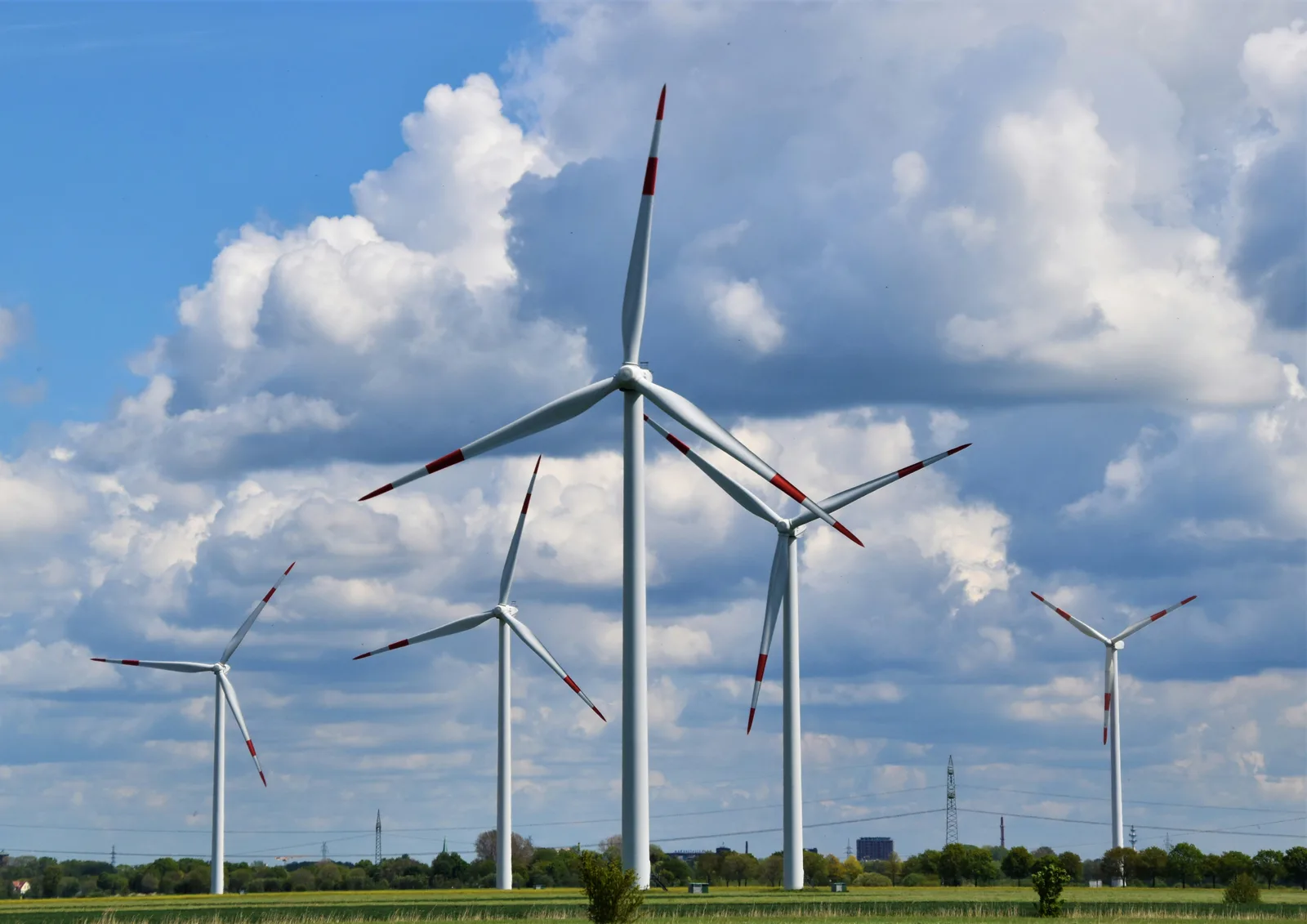
Washington Finally Has a Real Plan for Its Buildings
The SCALE 2030 Clean Buildings Roadmap turns the state's 2050 climate goals into six levers and sixteen concrete actions. Here's the whole thing, in plain language.
Read the full post →
More Reading
From the Archive.
Filter by topic, then click any post to open it in place.
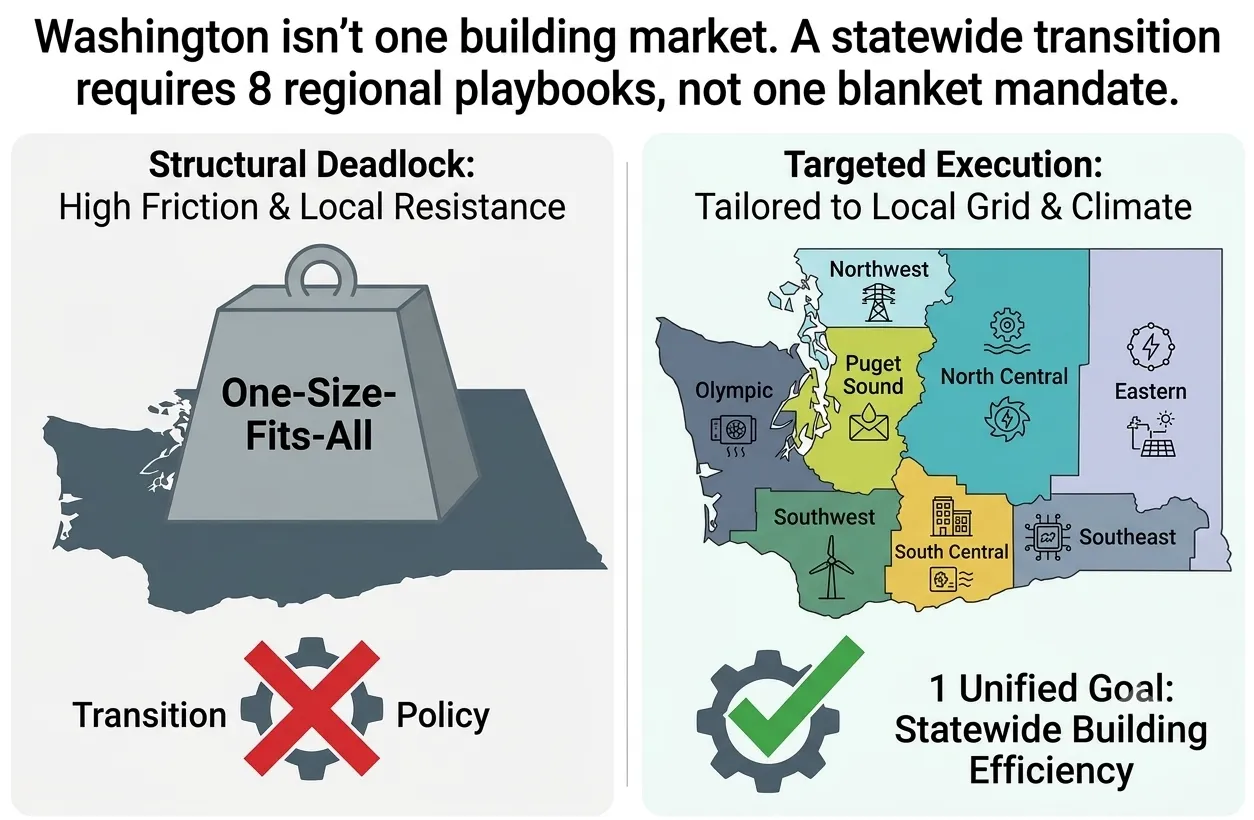
One State, Eight Clean Energy Regions
A clean buildings program built for Seattle won't fit Spokane. SCALE 2030's answer is eight regions that adapt one statewide direction to local building stock.
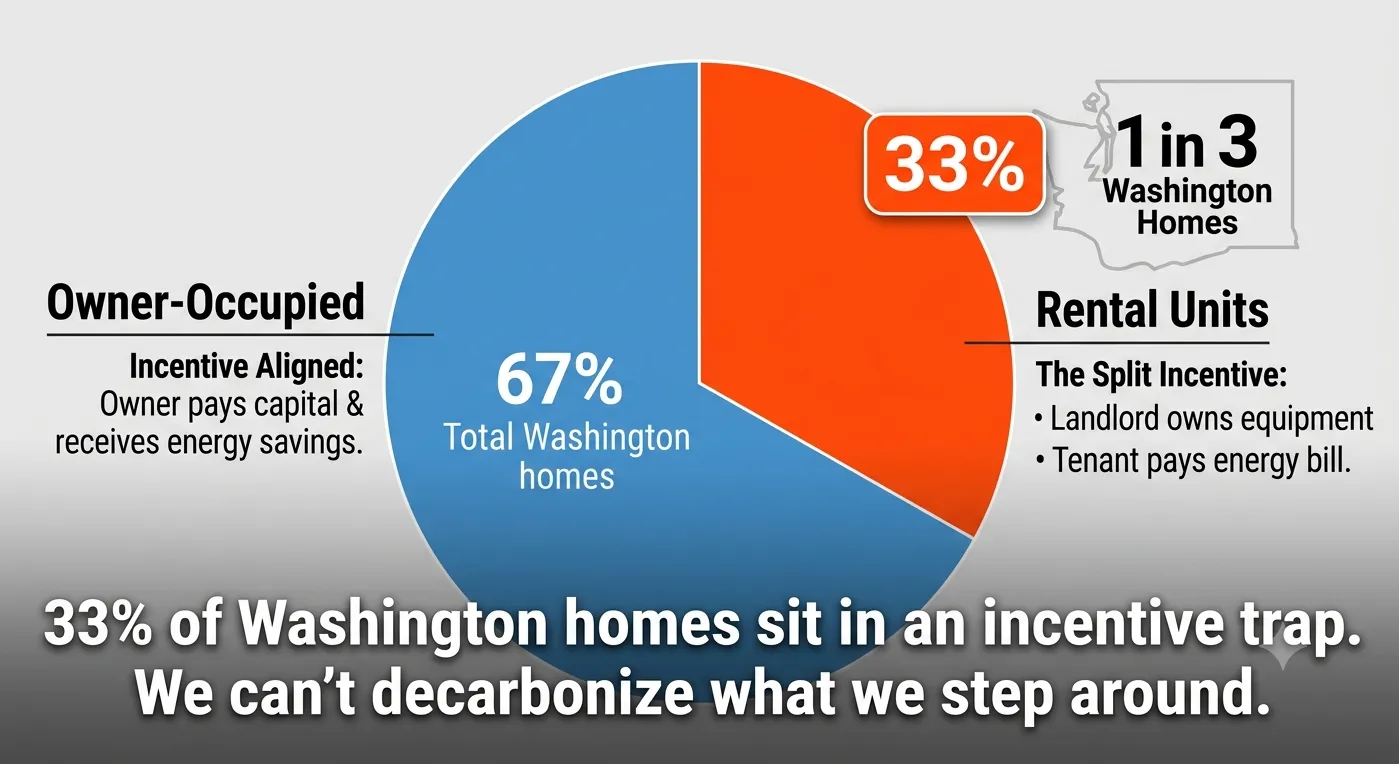
The Split Incentive: Climate's Hardest Building Problem
One in three homes in Washington is a rental. The landlord buys the furnace and the tenant pays the bill, and that single mismatch quietly stalls a third of our housing.

The 15-Year Decision Hiding in Every Appliance Swap
A furnace installed in 2030 will most likely still be running in 2045. That is the real case for a zero-emission heating standard, and it is more modest than the headlines suggest.
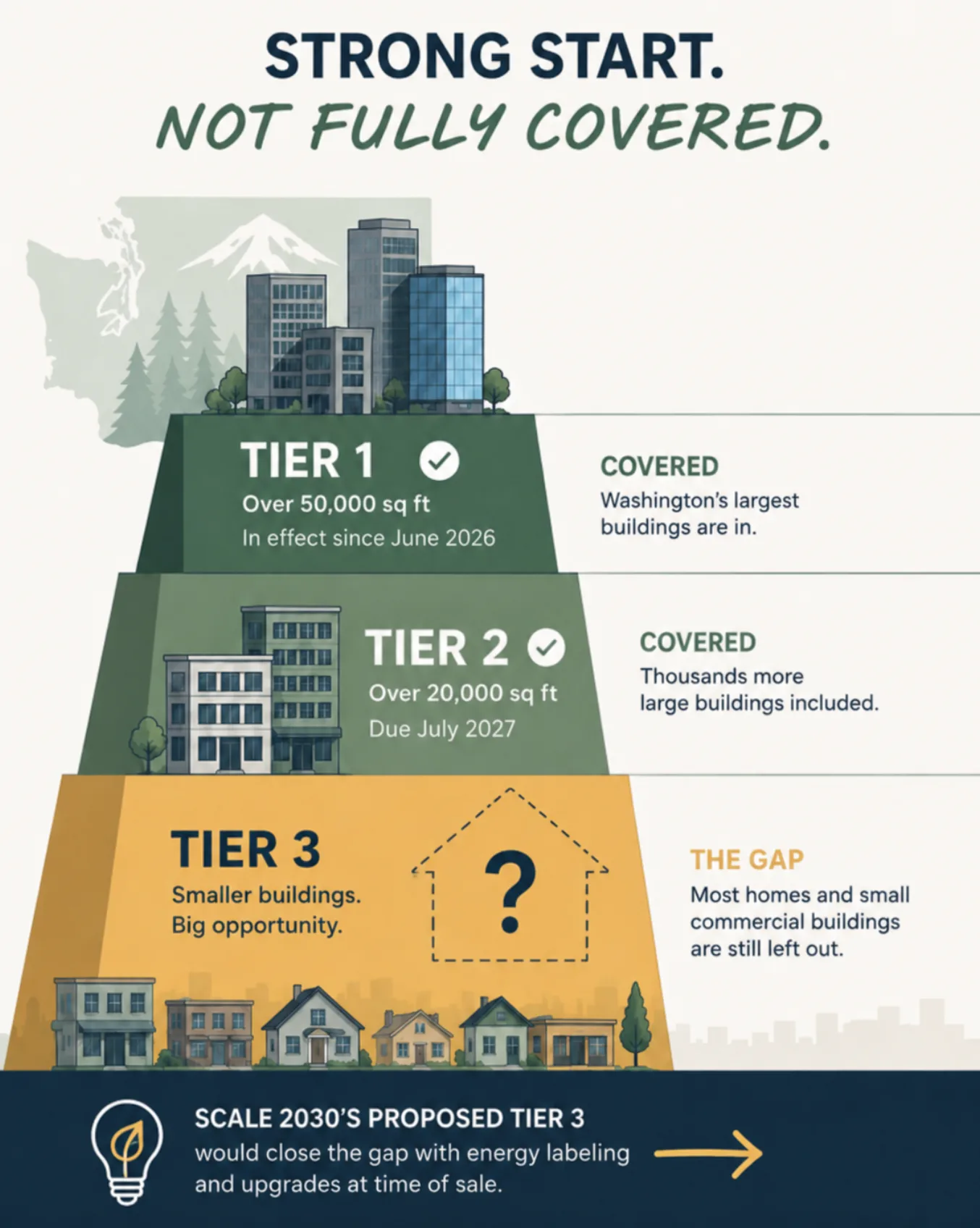
A Strong Start, Not the Whole Job
Washington has one of the stronger building performance laws in the country. The catch is that it doesn't reach most buildings — and SCALE 2030 names that gap directly.
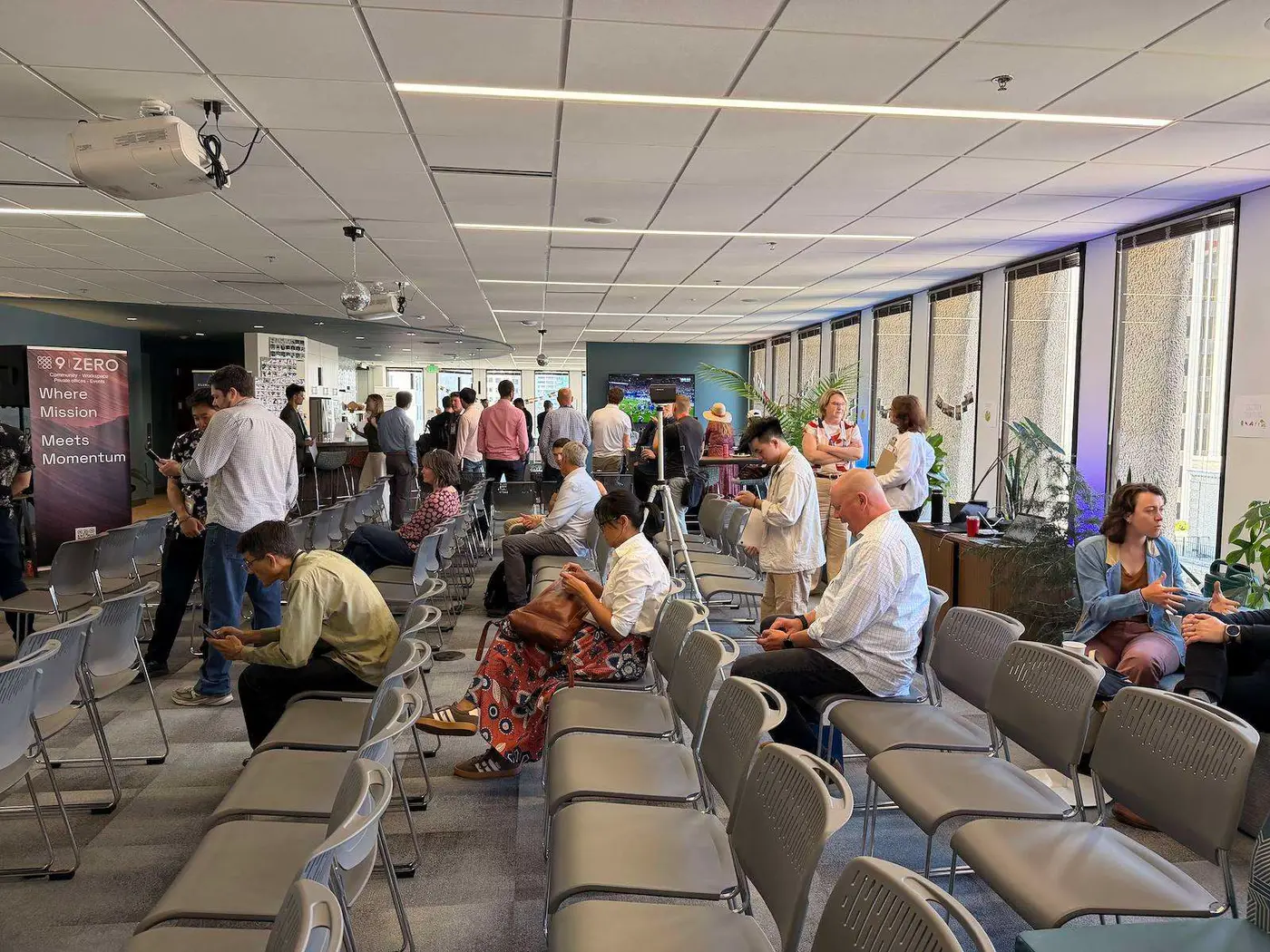
Notes from the Founders Summit at 9Zero Seattle
Pacific Northwest Climate Week, a conversation with StepChange's Ben Eidelson, and a reminder that building a startup does not have to be a solitary pursuit.
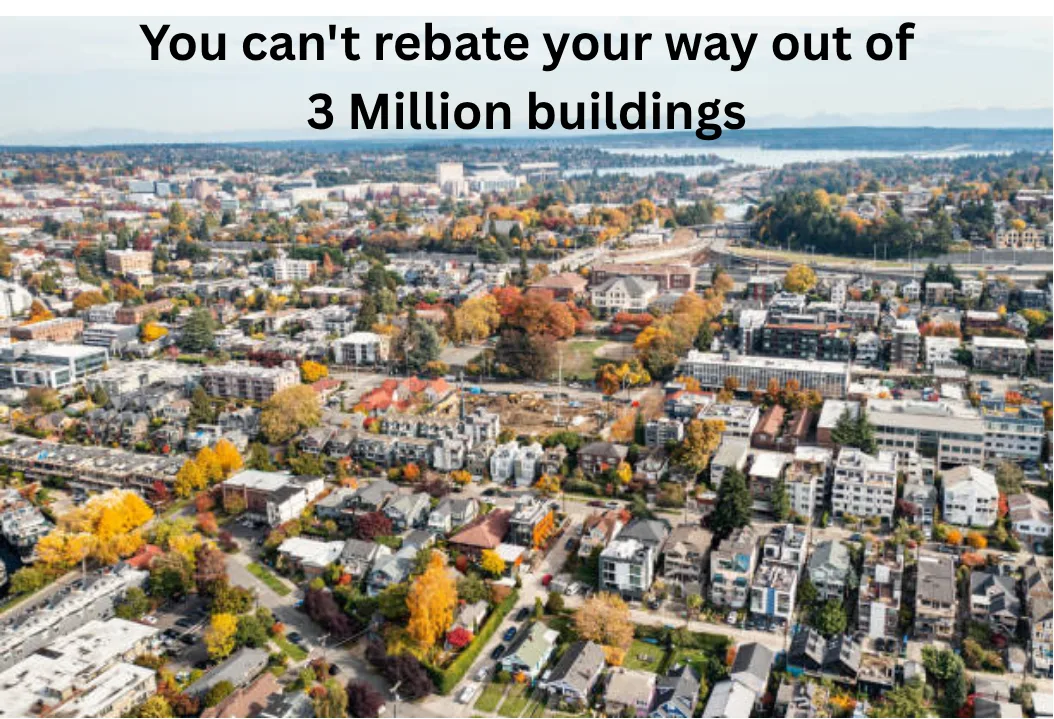
You Can't Rebate Your Way Out of Three Million Buildings
A rebate here, a voluntary program there. The appeal is understandable, but it is the wrong-sized tool for a state with more than three million buildings.
Washington Finally Has a Plan for Its Buildings
A fact from Bill Gates's climate book sent Jeff looking for a plan — not a pledge, not a target pinned to a distant year. This April, Washington finally got one.
The Missing Piece in Building Performance Is Not a Technology
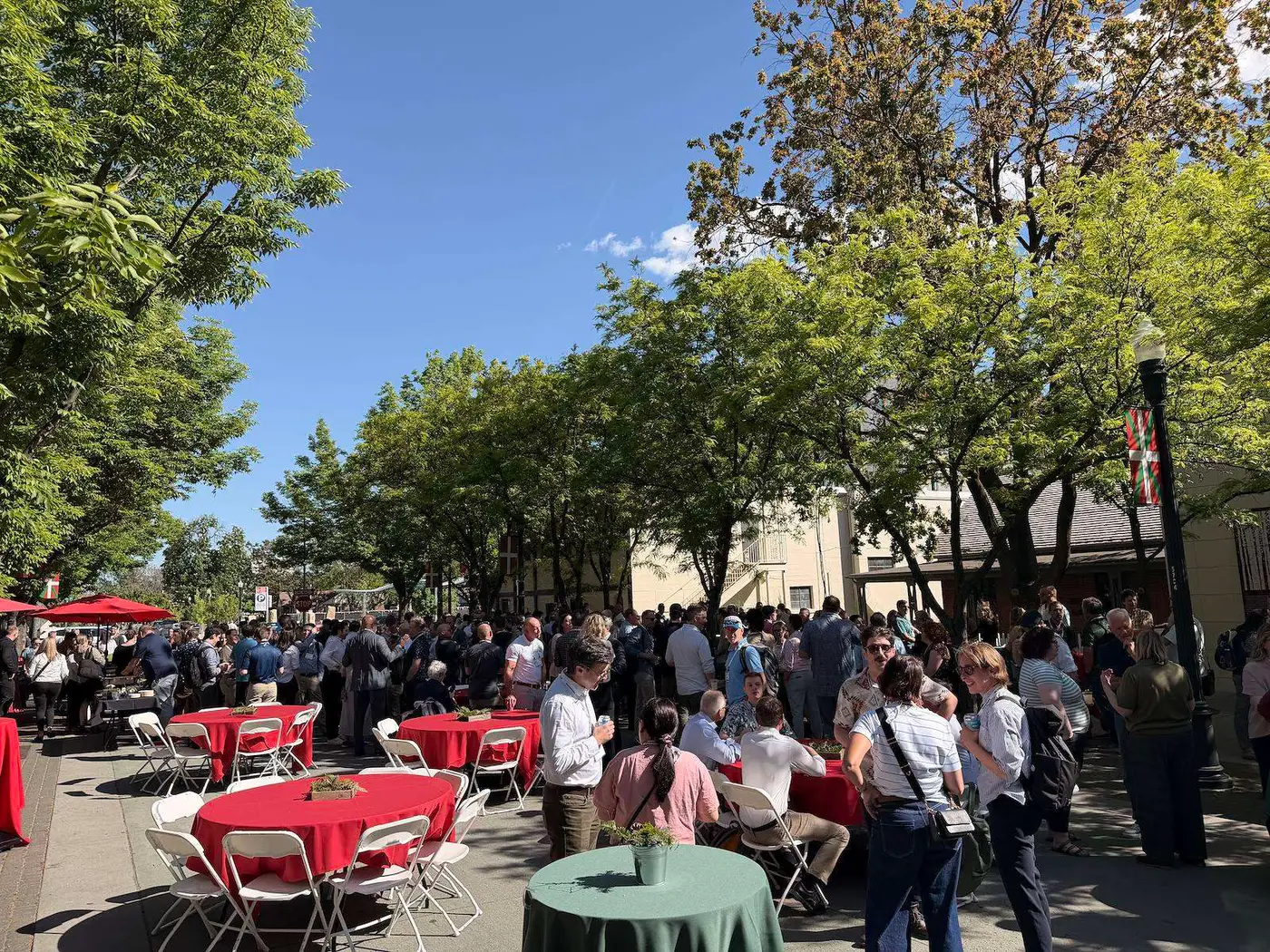
Three days at the 2026 Energy Efficiency Exchange in Boise, and one overarching observation: the industry has built a lot of good pieces. What it has not yet built is the layer that connects them.
A Thesis, Built
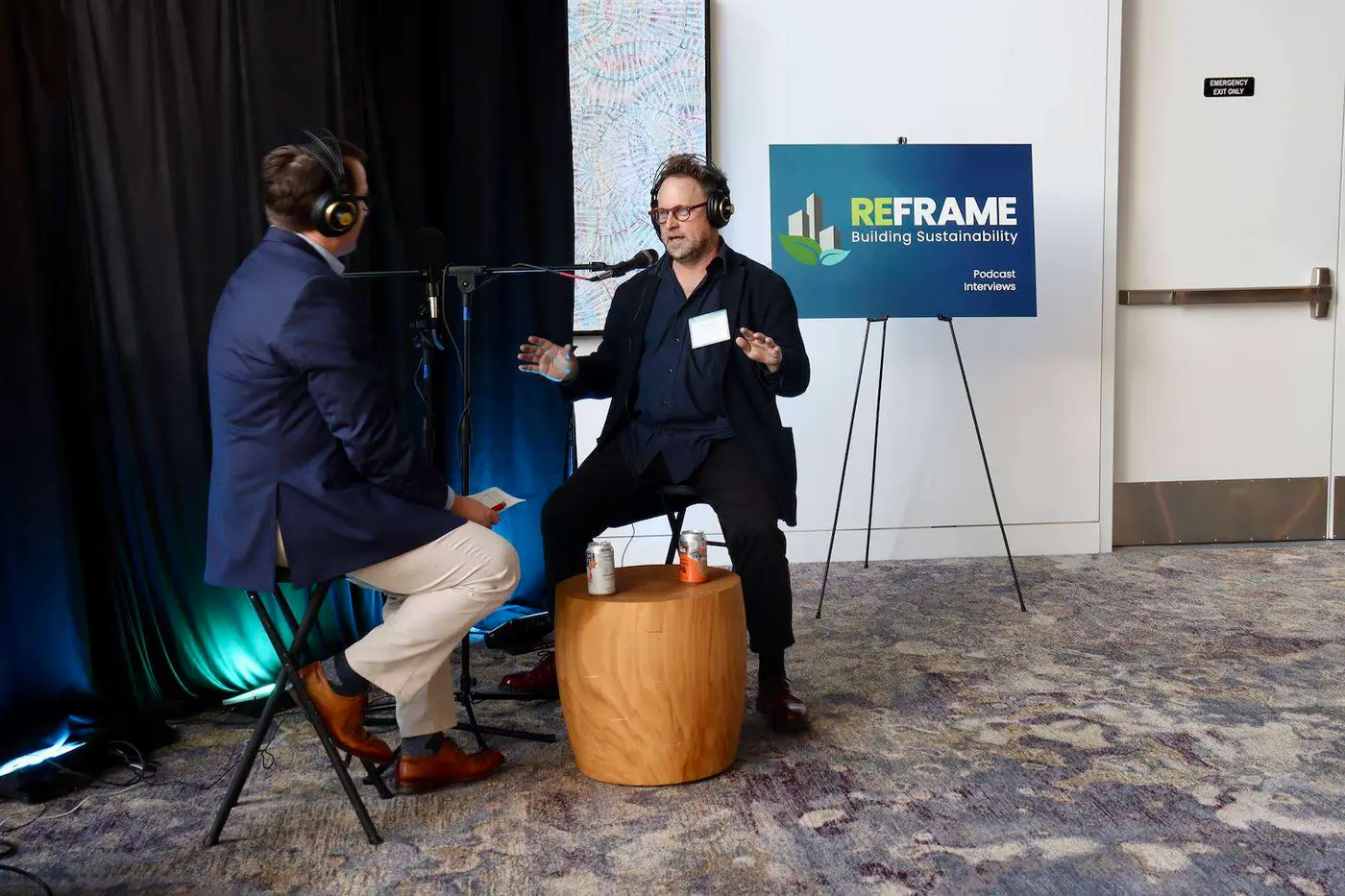
Mike Jobes wrote a student thesis on the alleyways of Pioneer Square. Rail Spur is essentially that thesis built.

Past the Easy Buttons
Overlake was looking at tens of millions of dollars to reach compliance. A partnership cut that by roughly 80 percent, with a payback under two years.

The Utility at the Center of It
Seattle City Light pays for whole-building performance rather than individual upgrades — the same measurement Washington’s compliance regime runs on.

Efficiency and Emissions Are Not the Same Goal
A building can get more efficient and still run on fossil fuels. That gap is exactly why Seattle BEPS exists alongside the state standard.

Same Plant, Same Tunnels, Different Fuel
UW has heated its campus from a central plant since the early 1900s. That same infrastructure is now the foundation of a $1.6 billion decarbonization effort.
The Last Crusade
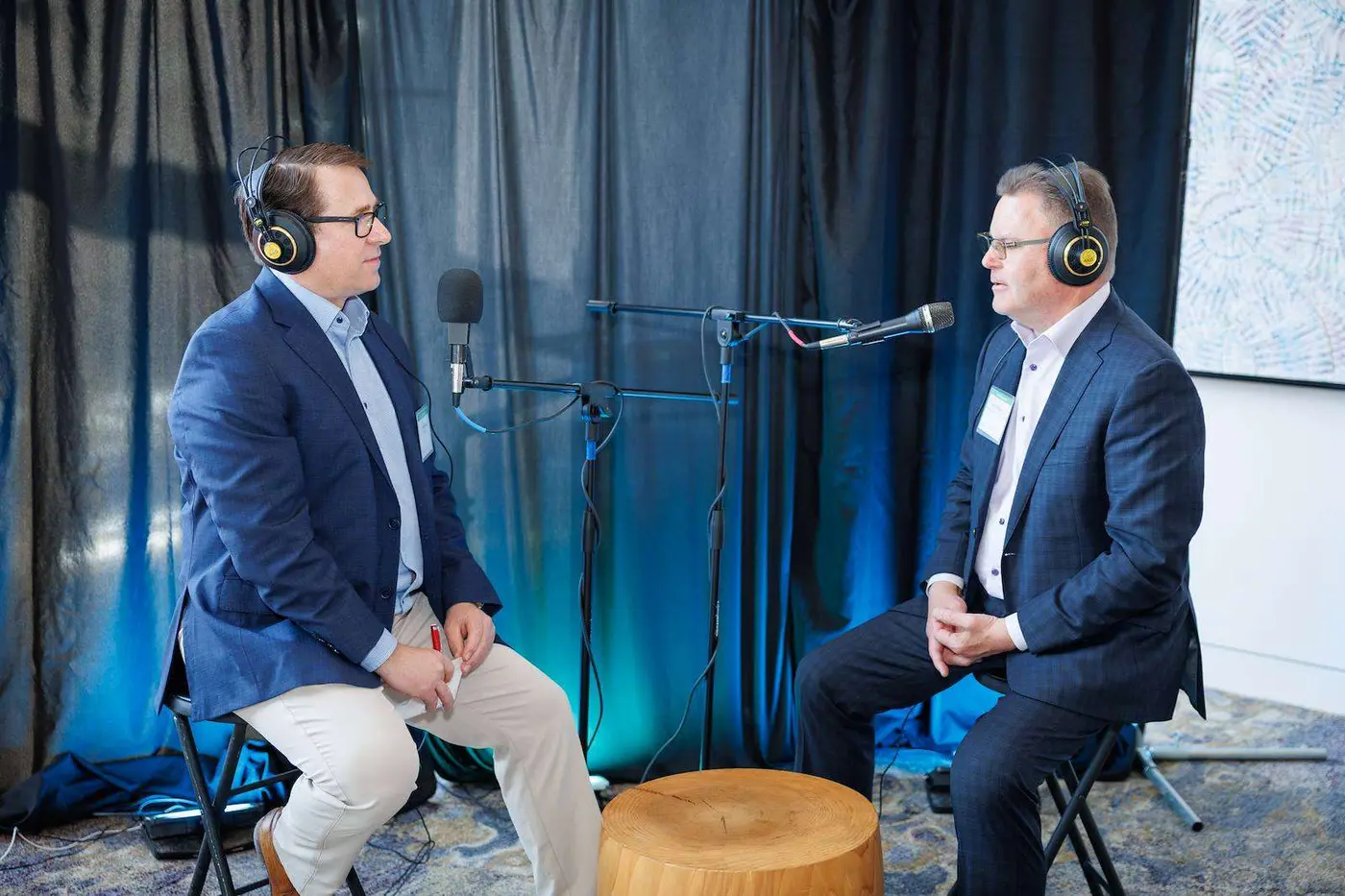
Perry England started turning wrenches in 1985. Forty years later he is arguing that the built environment cannot decarbonize on willpower alone — it needs capital.
The Math Is Working
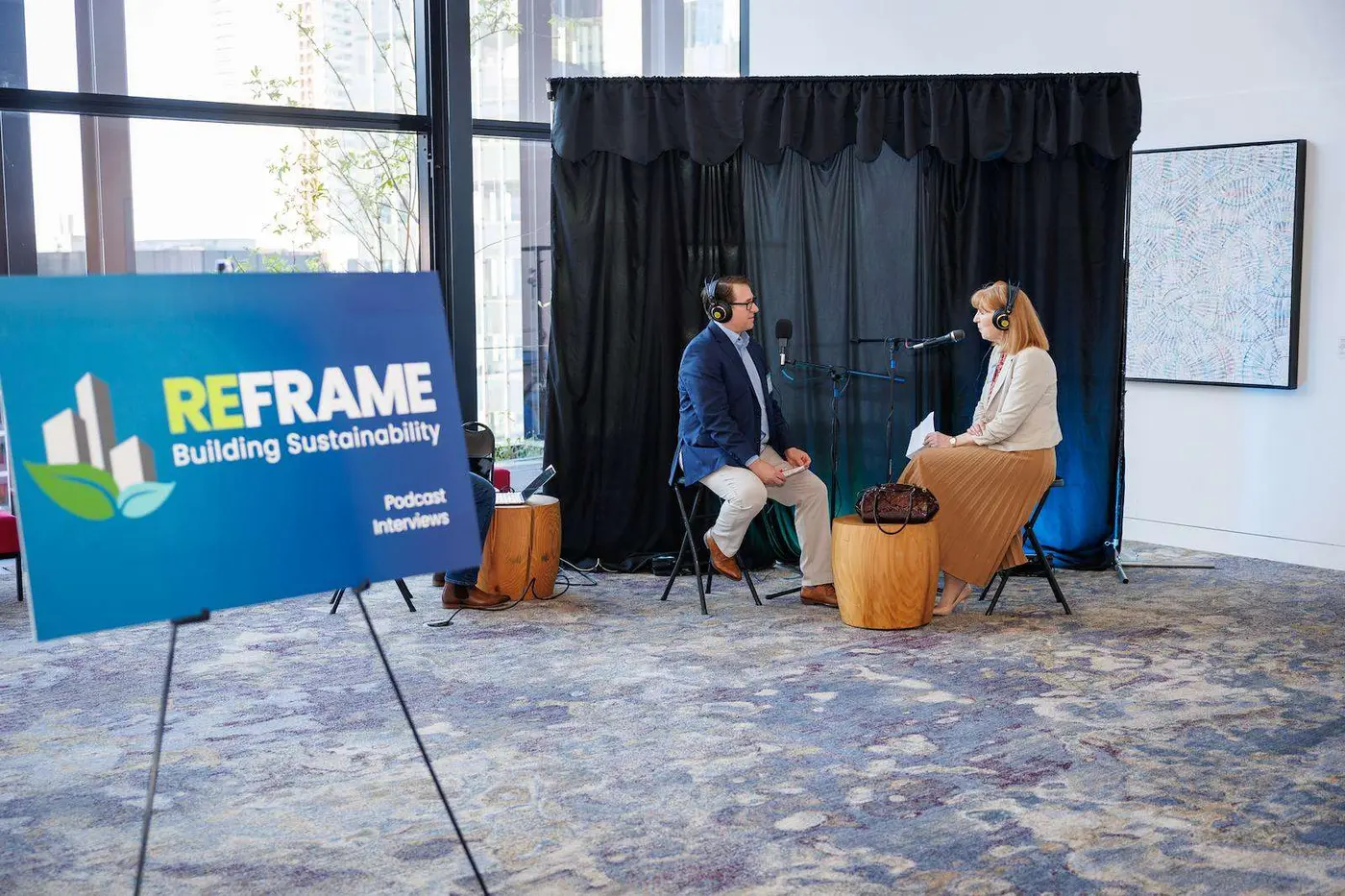
People assume sustainable buildings are a luxury affordable housing cannot afford. Laura Franke has spent her career proving otherwise.